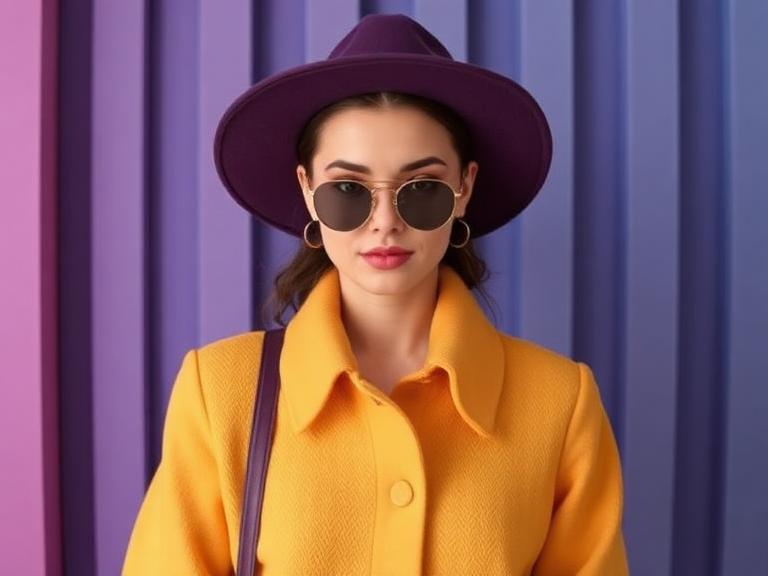
Have you ever noticed how wearing certain colors instantly changes your mood? Maybe a bright yellow dress makes you feel cheerful, or a black suit makes you feel powerful and confident. This isn’t coincidence—it’s color psychology in fashion, a fascinating field exploring how clothing colors influence emotions, perceptions, and even behavior.
Fashion is far more than just fabric and design. Every shade we wear communicates subtle messages about our personality, mood, and social identity. Research shows that colors can trigger emotional reactions, influence how others perceive us, and even affect how we perform in everyday situations.
For example, studies suggest that wearing red can make individuals appear more dominant and attractive, while blue clothing is often associated with trustworthiness and competence. These subconscious associations shape first impressions during job interviews, social gatherings, and professional interactions.
This article explores the science behind clothing color psychology, how colors affect emotions, and what your wardrobe choices may reveal about your personality.
Understanding Color Psychology in Fashion
Fashion is one of the most visible forms of self-expression. The colors we choose each day are not random—they are deeply connected to psychological signals and emotional associations.
What Is Clothing Color Psychology?
Clothing color psychology refers to the study of how different clothing colors influence emotions, behavior, and perception. It explores how the brain interprets color signals and connects them with psychological meanings.
For instance, when someone wears red, observers often associate that color with passion, energy, or authority. Blue, on the other hand, tends to evoke feelings of calmness and reliability. These reactions occur quickly—sometimes within seconds—because the brain processes color cues almost instantly.
Fashion designers and stylists frequently use these principles to create clothing collections that evoke specific emotions. A luxury brand might rely on black and gold to convey sophistication, while summer fashion lines often incorporate bright yellows and oranges to communicate warmth and excitement.
Color psychology also explains why certain outfits feel “right” for specific occasions. A dark suit may feel appropriate for a business meeting because dark colors communicate authority and professionalism. Meanwhile, vibrant colors often appear in casual or celebratory clothing because they convey energy and happiness.
Why Humans Emotionally Respond to Colors
Human responses to color are partly biological and partly cultural. Evolutionary psychology suggests that color perception developed as a survival tool. For example, the color red historically signaled danger or ripe fruit, while blue indicated clear skies and clean water.
Because of these associations, warm colors such as red and orange tend to increase energy levels and stimulate attention. Cool colors like blue and green often promote relaxation and mental focus.
Cultural influences also shape color meanings. In Western cultures, white typically symbolizes purity and simplicity, while black represents elegance or authority. In other cultures, these meanings may differ significantly.
Fashion blends these biological and cultural influences, creating a powerful language of color that communicates without words.
Color Psychology: How Do Colors Affect Mood and Emotions?
Color psychology research shows that colors can directly influence emotional states. The clothes we wear act almost like emotional tools—capable of amplifying confidence, reducing stress, or encouraging creativity.
The Science Behind Colors and Emotions Psychology
The connection between colors and emotions psychology lies in how the brain processes visual signals. Colors stimulate specific neural pathways linked to emotional responses.
Studies show that bright colors such as yellow can increase feelings of optimism, while blue shades promote calmness and trust.
The following table highlights common emotional reactions to clothing colors:
| Color | Emotional Effect | Typical Use in Fashion |
|---|---|---|
| Red | Energy, confidence | Leadership outfits |
| Blue | Calmness, trust | Business attire |
| Yellow | Happiness, optimism | Casual and summer fashion |
| Black | Power, elegance | Formal wear |
| Green | Balance, harmony | Everyday clothing |
These emotional responses help explain why clothing colors influence mood so strongly. Choosing specific colors can actually change how we feel throughout the day.
Psychological Responses to Warm vs Cool Colors
Color psychology often divides shades into two main groups: warm colors and cool colors.
Warm colors include red, orange, and yellow. These colors stimulate the brain and increase feelings of excitement, confidence, and energy. That’s why many high-fashion brands use red in statement pieces or runway designs.
Cool colors—such as blue, green, and purple—create the opposite effect. They promote calmness, concentration, and emotional balance. Because of these qualities, cool colors frequently appear in professional clothing and corporate uniforms.
Interestingly, neutral shades like black, white, and gray function as emotional stabilizers in fashion. They create balance in outfits while still carrying psychological meaning.
Clothing Color Psychology and Personal Style
Color doesn’t just influence mood—it also shapes how other people perceive us. The clothing we wear sends powerful visual signals that affect first impressions.
How Clothing Colors Influence First Impressions
Psychologists suggest that people form impressions within seconds of seeing someone. Clothing color plays a major role in those judgments.
For example, wearing red often signals confidence and leadership. Blue suggests trustworthiness and professionalism, making it a popular color for job interviews and business attire.
Black clothing is frequently associated with sophistication and authority. Many luxury brands rely on black to communicate exclusivity and elegance.
These psychological signals influence everything from social interactions to career opportunities. Choosing the right clothing color can subtly strengthen personal branding.
The Role of Color in Fashion Branding
Fashion brands use color psychology strategically to influence customer perception and emotional connection.
For example, red often appears in fast-fashion advertising because it creates urgency and excitement. Blue is commonly used by premium brands to communicate reliability and quality.
Research shows that color significantly affects purchasing decisions and brand recognition.
This is why fashion brands carefully select signature colors that represent their identity and values.
Color Psychology and Personality
Color choices can reveal insights about personality and emotional preferences.
What Your Favorite Clothing Colors Say About You
Psychologists believe favorite colors often reflect psychological traits or emotional states.
Someone who prefers black clothing may value elegance, independence, and minimalism. People who favor bright colors may enjoy attention, creativity, and expressive individuality.
Green lovers often value harmony and connection with nature, while blue enthusiasts tend to appreciate stability and trust.
These patterns are not strict rules, but they demonstrate how color choices connect to identity and self-expression.
Personality Traits Linked to Color Choices
Color psychology studies suggest several common personality associations:
- Red: confident, ambitious, energetic
- Blue: dependable, calm, logical
- Yellow: optimistic, creative
- Black: powerful, sophisticated
- Green: balanced, growth-oriented
Fashion becomes a psychological language where clothing colors communicate aspects of personality.
Wearing Bright Colors Psychology
Bright colors can have powerful psychological effects on mood and confidence.
Dopamine Dressing and Mood Boosting Colors
A popular fashion trend known as dopamine dressing encourages people to wear bright colors to improve mood.
Stylists suggest colors like yellow, red, and cobalt blue can instantly increase energy levels and positivity.
Wearing vibrant clothing stimulates emotional responses similar to receiving positive feedback, which explains why bright outfits often make people feel more confident.
When Bright Colors Increase Confidence
Bright colors attract attention and communicate boldness. Wearing a red blazer or a bright yellow dress can create a powerful visual statement.
This phenomenon is connected to a psychological concept called enclothed cognition, where clothing influences mental performance and behavior.
When individuals wear colors associated with confidence or authority, they often experience increased self-belief and motivation.
Color Psychology Research and Scientific Studies
The field of color psychology research continues to grow as scientists study how visual stimuli affect emotions and behavior.
Psychological Studies on Clothing Colors
Research indicates that people wearing red are perceived as more dominant and attractive. Meanwhile, blue clothing increases perceptions of competence and trustworthiness.
Other studies have explored how darker clothing affects body perception. Some research suggests darker colors may slightly reduce perceived body weight, influencing fashion trends and clothing design.
Enclothed Cognition and Behavior
Enclothed cognition describes how clothing influences psychological processes.
For example, wearing a white coat labeled as a doctor’s coat improved participants’ attention and task performance in experiments.
This concept demonstrates how clothing color and symbolism can affect behavior, confidence, and cognitive performance.
Using Color Psychology to Improve Your Wardrobe
Understanding color psychology allows you to design a wardrobe that supports emotional well-being and personal goals.
Choosing Colors Based on Mood and Occasion
Selecting clothing colors intentionally can help you achieve specific emotional states.
For example:
- Wear blue during stressful days to promote calmness
- Choose red when you want to appear confident
- Select green for balance and relaxation
These choices act like psychological tools that influence mood and perception.
Building a Balanced Color Wardrobe
A well-balanced wardrobe typically includes a mix of neutral shades and statement colors.
Neutral colors such as black, white, and gray create versatility, while brighter colors add personality and emotional impact.
Combining both allows individuals to adapt their clothing choices to different moods, environments, and occasions.
The Future of Color Psychology in Fashion
Color psychology is becoming increasingly important in modern fashion design.
Advancements in neuroscience, behavioral psychology, and consumer research are helping designers understand how colors influence emotions and purchasing decisions.
Future fashion collections may incorporate more scientific insights into color combinations, emotional design, and personalized styling.
Conclusion
Color psychology in fashion reveals that clothing choices are far more powerful than they appear. The shades we wear influence mood, shape perception, and communicate personality traits to others.
Understanding how colors affect mood and emotions allows individuals to use fashion as a psychological tool—boosting confidence, promoting calmness, or expressing creativity.
Fashion will always be about style, but color psychology shows it is also about emotion, identity, and human behavior.
FAQs
1. What is clothing color psychology?
Clothing color psychology studies how different clothing colors influence mood, emotions, and how others perceive us.
2. How do colors affect mood and emotions?
Colors stimulate emotional responses in the brain. Warm colors increase energy and excitement, while cool colors promote calmness and focus.
3. What does wearing bright colors mean psychologically?
Wearing bright colors often signals confidence, creativity, and positivity. Bright shades can also boost mood through dopamine-related emotional responses.
4. Can clothing colors influence personality perception?
Yes. Clothing colors influence first impressions and may signal personality traits such as confidence, reliability, or creativity.
5. What colors are best for confidence in fashion?
Red, black, and royal blue are commonly associated with confidence, authority, and leadership.